
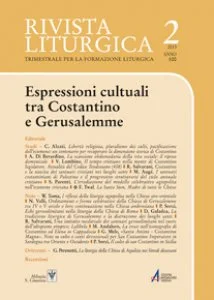
Descrizione
I cristiani dall’età apostolica erano soliti riunirsi per le loro celebrazioni cultuali nel primo giorno della settimana ebraica, da loro chiamato il «giorno del Signore». La celebrazione cultuale era per loro l’esclusivo elemento distintivo di quel giorno, essendo il riposo mosaico reinterpretato in senso spirituale. Due rescritti di Costantino (321) configurano il «giorno del sole» (dies solis), ossia il dies dominicus dei cristiani, quale giorno di riposo. Forse i due testi intendevano superare difficoltà nell’applicazione di una legge precedentemente promulgata. Con tali disposizioni Costantino rivoluzionò il sistema romano di scansione del tempo pubblico, introducendo quel ritmo settimanale oggi diffuso ovunque.
In the apostolic age Christian people used to gather for their celebrations on the first day of the Hebrew week, that they called the «Lord’s day». The cultic celebration was for them the exclusive distinctive element of that day, because the Mosaic day of rest was reinterpreted in a spiritual sense. Two rescripts of Constantine (321) give shape to the «Sun’s day» (dies solis), or the dies dominicus of Christians, as a day of rest. Perhaps these two texts aimed to overcome some difficulties in the implementation of a law that had been already promulgated. By such dispositions, Constantine turned upside down the Roman system of measuring the public time, and introduced the weekly rhythm that is everywhere common today.

Recensioni
Ancora non ci sono recensioni.